Quick Summary: Uravi Defence Results
- Standalone Q3 FY26 and 9M FY26 unaudited results approved; detailed numbers not shared in the company’s communication here.
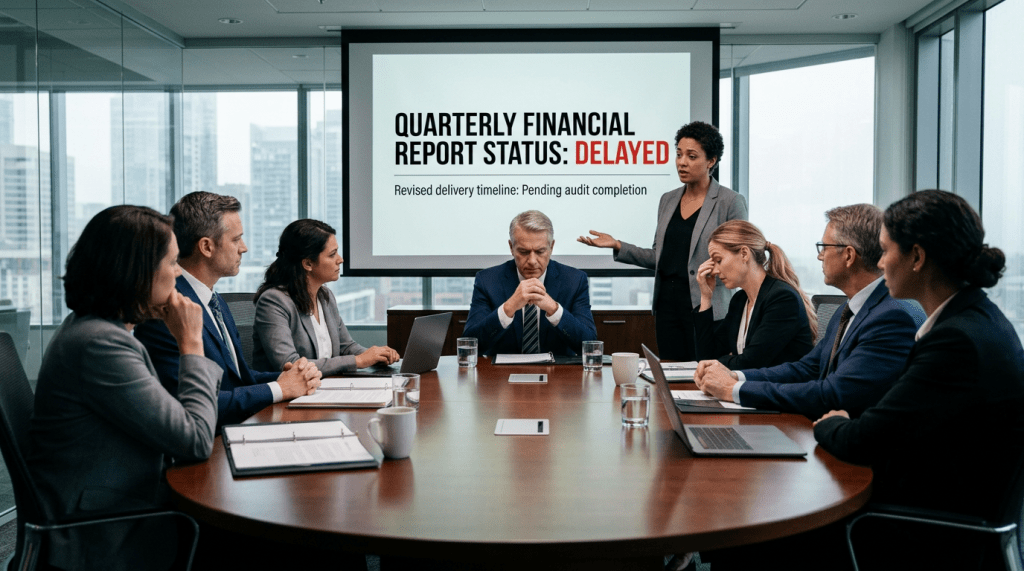
- Consolidated results were ↓ withheld due to pending information from subsidiary SKL (India) Pvt. Ltd.
- Internal controls step: re-appointment of V J Shah & Co. as Internal Auditors ↑.
- Takeaway: Wait for the consolidated print to judge overall margins, cash flows, and group health.
Uravi Defence Financial Highlights
- Period covered: Q3 FY26 (Oct–Dec 2025) and 9M FY26
- Result status: Unaudited Standalone results approved by the Board
- Consolidated results: Not prepared/awaited (subsidiary data pending)
- Exchange IDs: NSE: URAVIDEF | BSE: 543930
- Internal Auditor: V J Shah & Co. (re-appointed)
- Numbers shared in this note: Revenue, EBITDA, PAT — Not disclosed in the communication
Why Key Numbers Changed (Important Insight)
- No detailed P&L shared: The company only stated that standalone results were approved; consolidated results were delayed. Without figures, we can’t comment on actual revenue or profit moves this quarter.
- Profit vs revenue difference (how to read it when results land): Profit can change differently than revenue because of raw material costs, employee expenses, depreciation, interest, and taxes. For example, revenue may rise, but profit can fall if input costs jump or if finance costs increase.
- One-time items: None were mentioned in the Board outcome. When the full results PDF is available, check the “exceptional items” line for any non-recurring gains/losses that could inflate or depress profit.
- Margins (what to watch): Product mix and execution timing matter. If higher-value defence-grade products form a larger share, gross margins can improve; early-stage program costs or delays can compress margins even with stable revenue.
- Standalone vs consolidated: Standalone excludes the subsidiary’s performance. Once consolidated numbers are out, group revenue, margins, and cash flows may look different from standalone, for better or worse.
Operational Performance & Business Trends
- Business focus: The company, formerly Uravi T and Wedge Lamps, has been pivoting from legacy lighting/industrial components toward defence-oriented offerings. Such transitions can create lumpy quarters as new programs scale.
- Costs and sourcing: Electronics, metals, and specialized inputs affect gross margins. Currency moves can add volatility to imported components.
- Working capital: Collections from large institutions/defence ecosystem can extend cycles, impacting cash generation even if reported profit is stable.
<liOrder timing: Defence-linked projects can be milestone-based. Invoices may cluster, making quarterly growth uneven despite healthy underlying demand.
Management Commentary (Simplified)
- “We have approved standalone results for Q3 and 9M FY26.”
- “We could not publish consolidated results because the subsidiary’s financial information wasn’t received before the meeting; we will comply once data arrives.”
- “We re-appointed our Internal Auditors to keep checks and processes tight.”
Key Positives
- Timely standalone compliance: Board approval indicates ongoing reporting on the parent entity.
- Internal control emphasis: Re-appointment of Internal Auditors supports process discipline.
- Disclosure of delay: Clear communication that consolidated results are pending helps set expectations.
Key Concerns
- Consolidated delay: Missing subsidiary data is a governance and visibility concern until resolved.
- Incomplete picture: Without consolidated results, investors can’t fairly gauge group margins, leverage, or cash flows.
- Near-term volatility risk: Stocks often react to uncertainty; clarity on subsidiary numbers will be key.
Final Takeaway for Investors
Uravi Defence delivered a partial update: standalone numbers are approved, but the group view is missing. That makes it hard to judge profitability trends, margins, or cash flow quality. Sensible next steps are to wait for the consolidated results, scan for any one-time items, compare standalone vs consolidated margins, and pay special attention to receivables and order execution timelines. Existing investors can stay patient for clarity; new investors may prefer to reassess once the full set of numbers is out.
FAQs
- What is revenue? The total money earned from selling products/services before costs.
- What is profit? What’s left after subtracting all expenses (materials, salaries, depreciation, interest, and taxes) from revenue. Net profit is the bottom line.
- Why did profit change if revenue didn’t? Because costs and mix matter. Raw materials, wage inflation, financing costs, or lower-margin orders can reduce profit even if sales are steady. One-time gains/losses can also skew profit for a quarter.
- What does “consolidated results pending” mean? The parent company hasn’t combined the subsidiary’s financials into a single group statement yet, usually due to missing or delayed subsidiary data.
- Is it a good stock to buy now? It depends on your risk tolerance. With consolidated numbers pending, there’s extra uncertainty. Many investors prefer to wait for full financials and clarity on margins and cash flows before deciding.
Disclaimer
This post is for educational purposes only. It is not investment advice or a recommendation. Investors should read the company’s full filings, auditor reports, and consult a financial advisor before making decisions.


