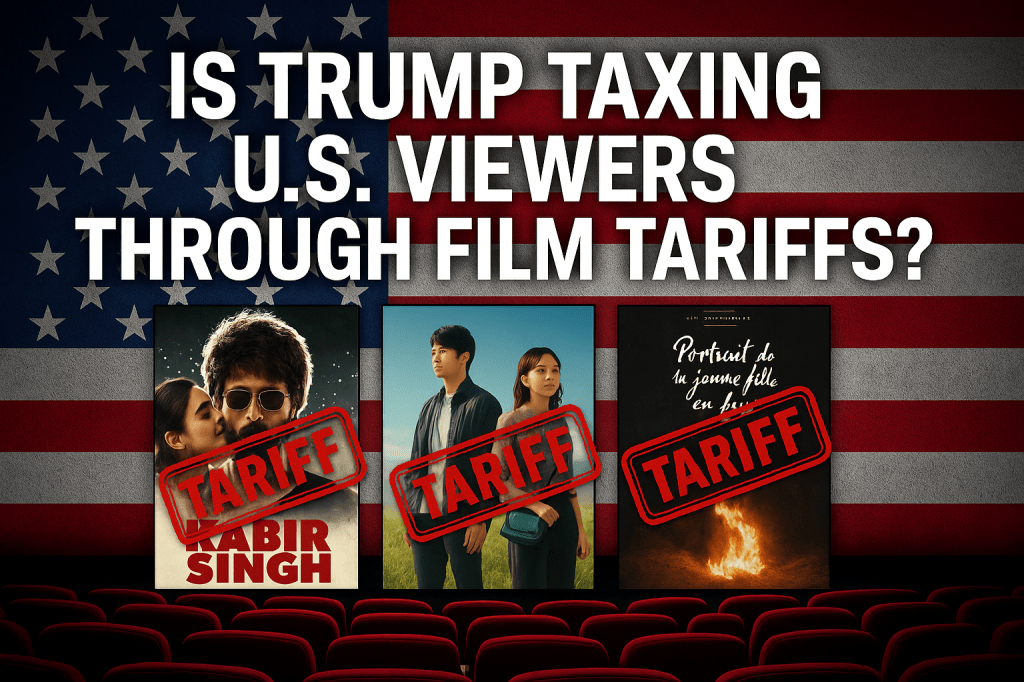
Former President Donald Trump is once again making headlines — this time with a new tariff proposal aimed at international films. While the move is reportedly intended to support the domestic film industry, it could unintentionally burden U.S. audiences and reduce cultural access.
🎯 Who Really Pays for Film Tariffs?
Although the tariff is applied to imported films, it’s important to understand the ripple effect:
➡️ Distributors and theaters may raise prices to offset the added expense.
➡️ Moviegoers in the U.S. ultimately bear the cost, through higher ticket prices or limited screenings of foreign-language films.
This means the financial impact lands on the American public, not just the international film companies.
🎥 How the Movie Industry Could Be Affected
📉 Reduced Variety in Theaters
Smaller cinemas and cultural festivals that showcase global cinema might cut back due to increased costs.
💸 Higher Prices, Fewer Options
Foreign films could become more expensive or less available, particularly affecting communities that watch films from their country of origin.
🛑 Less Creative Competition
Hollywood may face less pressure to innovate or diversify if international films become harder to access.
❓A Tax in Disguise?
Although not directly marketed as one, this tariff could act as an indirect tax on U.S. citizens. American audiences may:
- Pay more for diverse content
- Lose access to international storytelling
- Face fewer viewing options in cinemas
So, while the policy may be framed as economic protectionism, its real-world consequences hit home — quite literally at the box office.
💡 Final Take
Placing a tariff on foreign films might look like a strategy to boost domestic entertainment, but in practice, it may turn into a costly trade-off for everyday viewers.
The question isn’t just about trade — it’s about choice, culture, and cost.

 Indian Stock Results